
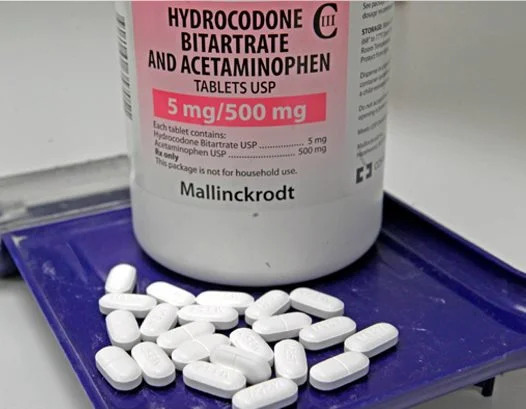
Buy Hydrocodone 5mg/500mg (120 Tabs) Online
$242.00
Contraindications
Do not use this medication if you experience:
- Severe respiratory depression or acute bronchial asthma.
- Known or suspected gastrointestinal obstruction, including paralytic ileus.
- Severe hepatic or renal impairment.
- Hypersensitivity to hydrocodone or acetaminophen. [1, 2, 3, 4, 5]
Common Side Effects
- Constipation, nausea, and vomiting
- Dizziness, lightheadedness, or drowsiness
- Mental clouding or headache
Hydrocodone 5mg / Acetaminophen 500mg is a prescription combination pain medication consisting of an opioid agonist (hydrocodone) and a non-opioid analgesic (acetaminophen) used to treat moderate to severe pain. [1, 2]
Important Safety Notice: The U.S. Food and Drug Administration (FDA) mandated that manufacturers stop producing combination prescription drugs containing more than 325 mg of acetaminophen per tablet to reduce the risk of severe liver damage. Consequently, the 5mg/500mg formulation has been phased out and discontinued in favor of safer 5mg/325mg dosage strengths. [1, 2]
The primary clinical details for a 120-tablet prescription of this generic compound include:
Core Specifications
- Active Ingredients: Hydrocodone Bitartrate (5 mg) and Acetaminophen (500 mg).
- Drug Class: Opioid Analgesic / Non-Opioid Analgesic combination.
- Controlled Substance: Schedule II (high potential for abuse, misuse, and physical dependence).
- Quantity: 120 Tablets (typically a 15-to-30 day supply depending on individual prescription directives). [1, 2, 4]
Mechanism of Action
- Hydrocodone: Acts directly on the central nervous system (CNS) μ-opioid receptors to alter the perception of and emotional response to pain.
- Acetaminophen: Inhibits prostaglandin synthesis in the CNS to provide antipyretic (fever-reducing) and complementary analgesic effects. [1, 2, 3]
Dosage & Administration
- Note: This historical profile reflects the original manufacturer guidelines prior to discontinuation.
- Adult Dosage: Typically 1 to 2 tablets orally every 4 to 6 hours as needed for pain.
- Absolute Maximum Daily Limit: 8 tablets per 24 hours. Exceeding 8 tablets would deliver 4,000 mg of acetaminophen, reaching the threshold for severe, potentially fatal liver damage. [1, 2, 3, 4, 5]
Boxed Warnings & Risks
- Hepatotoxicity: Taking too much acetaminophen can cause severe liver injury, acute liver failure, or death. Avoid concurrent use of other over-the-counter medications containing acetaminophen (e.g., Tylenol). [1, 2, 3, 4]
- Addiction and Misuse: Safe therapeutic use carries a baseline risk for opioid dependency, addiction, and overdose. [1]
- Respiratory Depression: Can cause life-threatening breathing difficulties, particularly during the first 24 to 72 hours of use or following dose increases. [1, 2]
- CNS Depressants: Concomitant use with alcohol, benzodiazepines, or other sedatives can trigger profound sedation, respiratory arrest, coma, or death.
Be the first to review “Buy Hydrocodone 5mg/500mg (120 Tabs) Online”
Related products
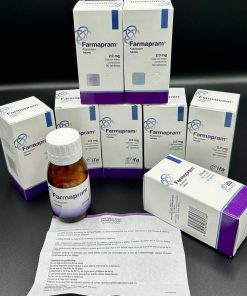
PAIN RELIEF PILLS
Price range: $128.00 through $235.00
This product has multiple variants. The options may be chosen on the product page
PAIN RELIEF PILLS
Price range: $197.00 through $235.00
This product has multiple variants. The options may be chosen on the product page
PAIN RELIEF PILLS
Price range: $132.00 through $145.00
This product has multiple variants. The options may be chosen on the product page
Reviews
There are no reviews yet.